Most site managers know they need a Fall Protection Plan somewhere in the safety file before work at height can start. Fewer know exactly what Construction Regulation 10 requires that document to contain, or who is actually allowed to write it. That gap is where most non-compliance happens - not from ignoring the rule, but from misunderstanding what satisfies it.
When the regulation applies
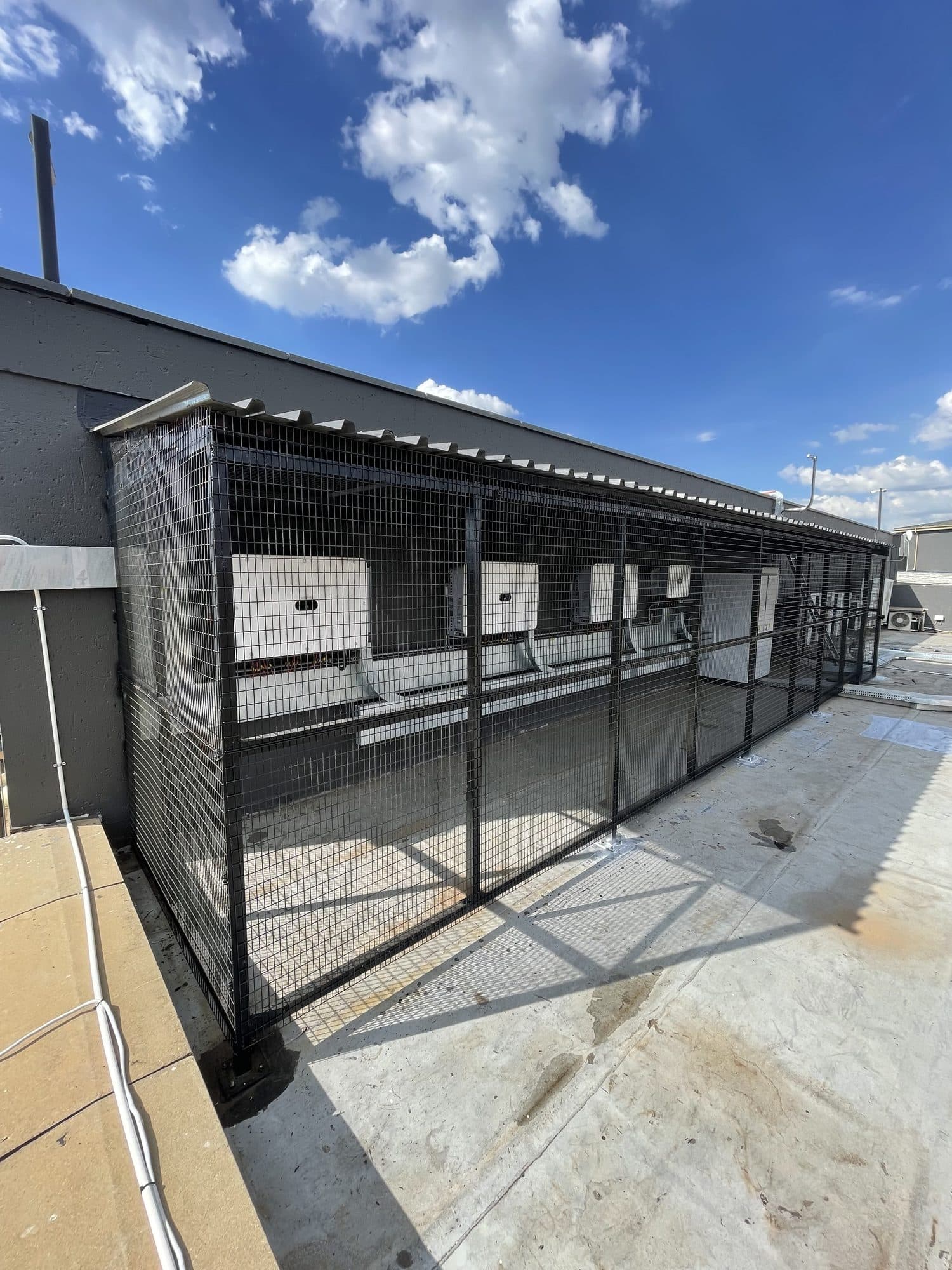
Construction Regulation 10, under the Occupational Health and Safety Act, applies wherever a person could fall two metres or more while carrying out work. That threshold catches far more sites than people expect: roof maintenance, solar installation, signage work, HVAC servicing, and inspection access all qualify, not just formal construction projects.
Who is allowed to compile it
The plan must be compiled by a competent person - a specific, defined status, not a job title someone assigns themselves. A competent person needs both practical experience at height and formal training against the recognised unit standards for the work-at-height sector, registered with the Institute for Work at Height (IWH). Experience alone, however extensive, doesn't satisfy the training component. Neither does a general health and safety qualification that doesn't cover fall protection specifically.
Want your own team to hold this designation rather than relying on an outside consultant every time?See the Fall Protection Planner courseWhat the plan actually needs to contain
- •Identification of every fall hazard specific to the site, not a generic template list
- •The fall protection measures chosen for each hazard, and why they were chosen over the alternatives
- •Anchor point locations, ratings, and how they were verified suitable for the substrate
- •Rescue procedures - what happens if a fall is arrested and someone is left suspended
- •Who on site is responsible for enforcing the plan day to day
A document that lists PPE requirements and stops there isn't a Fall Protection Plan under the regulation, even if it's labelled as one. It's missing the risk assessment and rescue planning that make it site-specific.
How this looks on a real site
On a typical warehouse re-roofing job, for example, a compliant plan doesn't just say "workers must wear harnesses." It names the specific roof sections where a fall is possible, which anchor points serve each section and what they're rated for, what happens if someone needs rescuing from a specific awkward corner of the roof, and who on site actually checks that the plan is being followed rather than just filed. That level of specificity is what separates a document that satisfies the regulation from one that just references it.
The audit-day test
A useful way to check your current plan: hand it to someone unfamiliar with the site and ask if they could identify every fall risk point from the document alone. If the answer is no, an inspector will reach the same conclusion. We compile and maintain Fall Protection Plans alongside every installation, so this isn't a scramble the week before an audit.
Need your existing documentation reviewed, or a plan compiled from scratch?See our documentation serviceWritten by Empire Height Safety Solutions.